
Cranial surgery
Endoscopic Third Ventriculostomy (ETV)
A shunt-free alternative for selected hydrocephalus.
◉ CR / endoscopic-third-ventriculostomyFig.ENDO
Overview
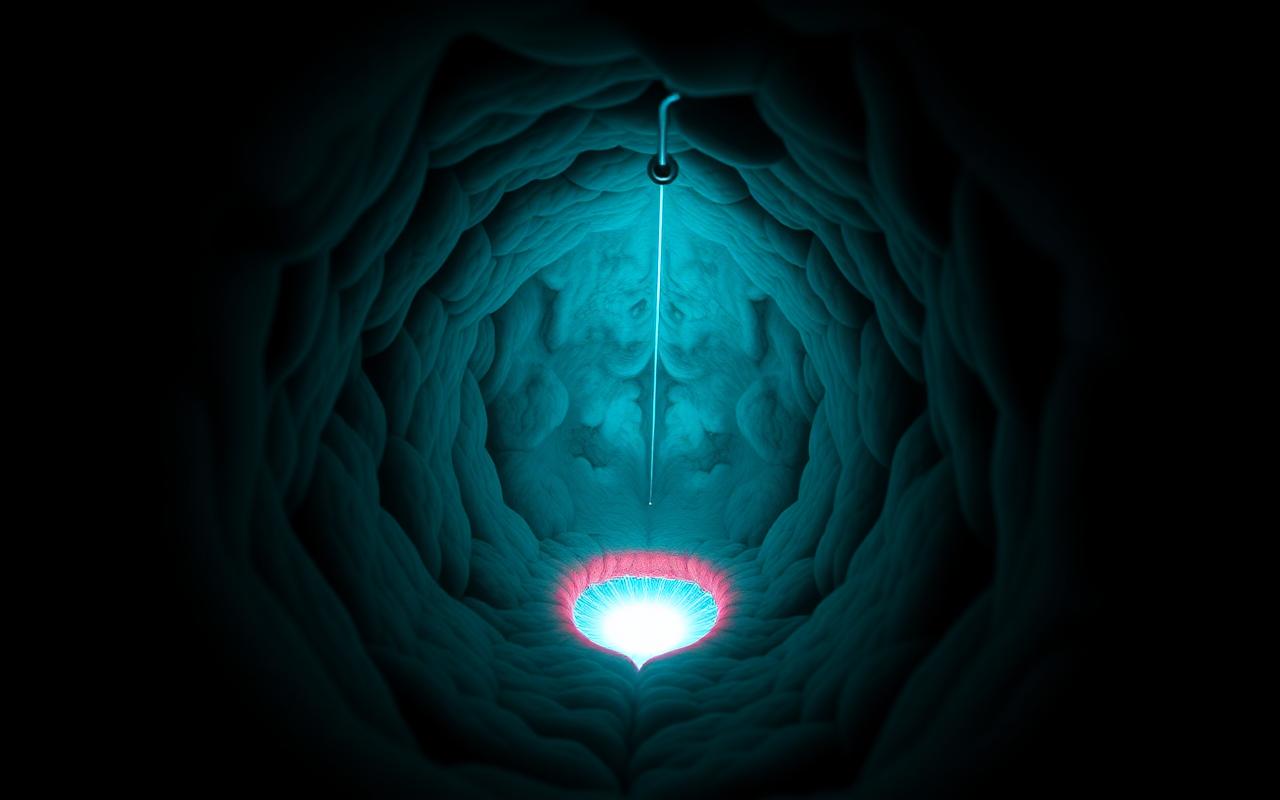
ETV creates a small opening in the floor of the third ventricle so cerebrospinal fluid can bypass an obstruction. For the right patient it avoids a permanent implant.
What it treats
- Obstructive hydrocephalus, particularly aqueduct stenosis
- Selected post-haemorrhagic and tumoural hydrocephalus
How it is performed
A small burr hole is made; a fine endoscope is passed into the ventricle and the floor of the third ventricle is carefully opened.
Recovery
Hospital stay is two to three days. Follow-up MRI confirms cerebrospinal fluid flow through the new opening.
When to see a specialist
If you or your GP think this procedure may be relevant, request a consultation. Bring any imaging and a referral letter if you have one.
Request an appointment