
Cranial surgery
Craniotomy
Temporary opening of the skull to access the brain.
Overview
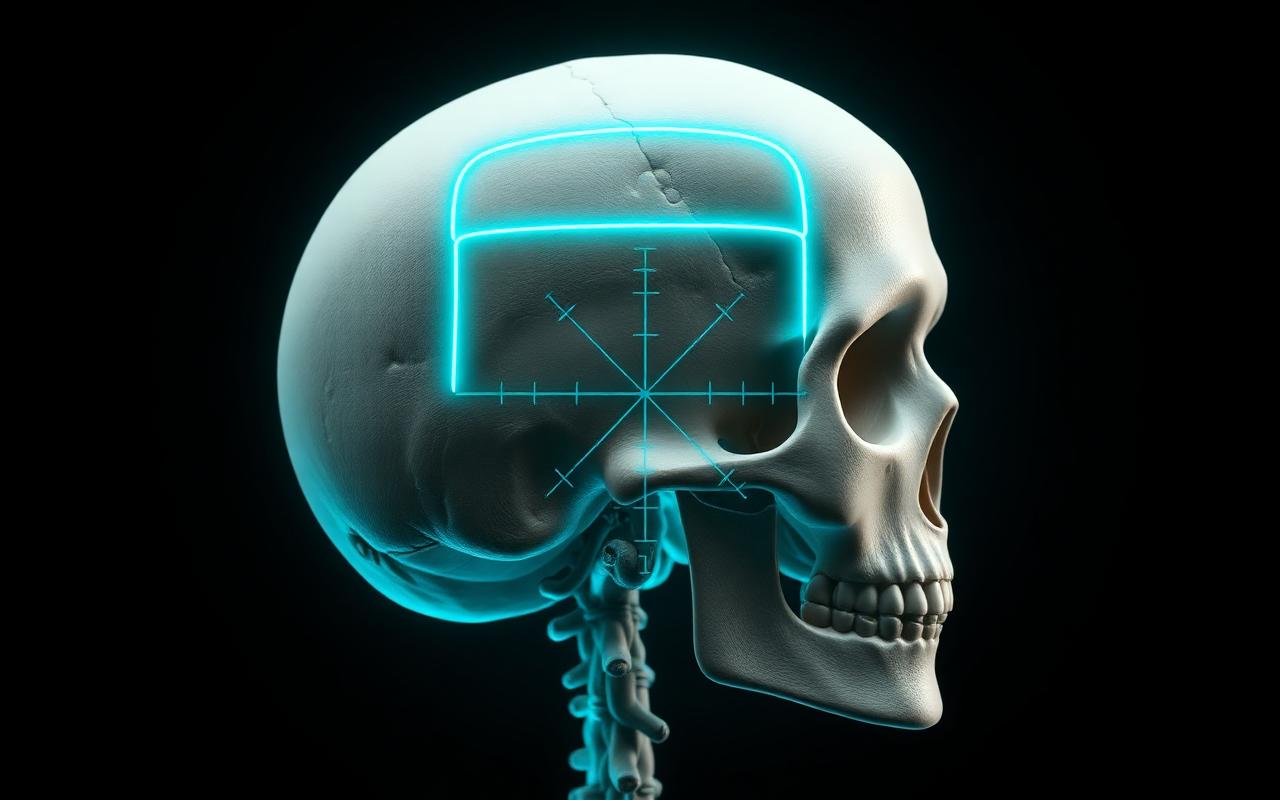
A craniotomy is a planned, temporary removal of a section of bone from the skull to allow access to the brain. Once the underlying work is complete, the bone is replaced and secured. It is the most common access technique used in cranial neurosurgery.
What it treats
- Brain tumours (benign and malignant)
- Aneurysms and vascular malformations
- Traumatic brain injury and intracranial haemorrhage
- Selected cases of epilepsy and abscess
How it is performed
Performed under general anaesthesia. Neuronavigation guides a precise scalp incision; a bone flap is lifted, the underlying lesion is treated, and the flap is replaced with low-profile fixation. Operative time varies with pathology.
Recovery
Most patients spend the first 24–48 hours in high care, then move to a ward. A typical hospital stay is three to seven days. Driving, lifting and return to work are discussed individually at the post-operative review.
When to see a specialist
If you or your GP think this procedure may be relevant, request a consultation. Bring any imaging and a referral letter if you have one.
Request an appointment