
Cranial surgery
Craniectomy
Removal of a portion of skull to relieve pressure on the brain.
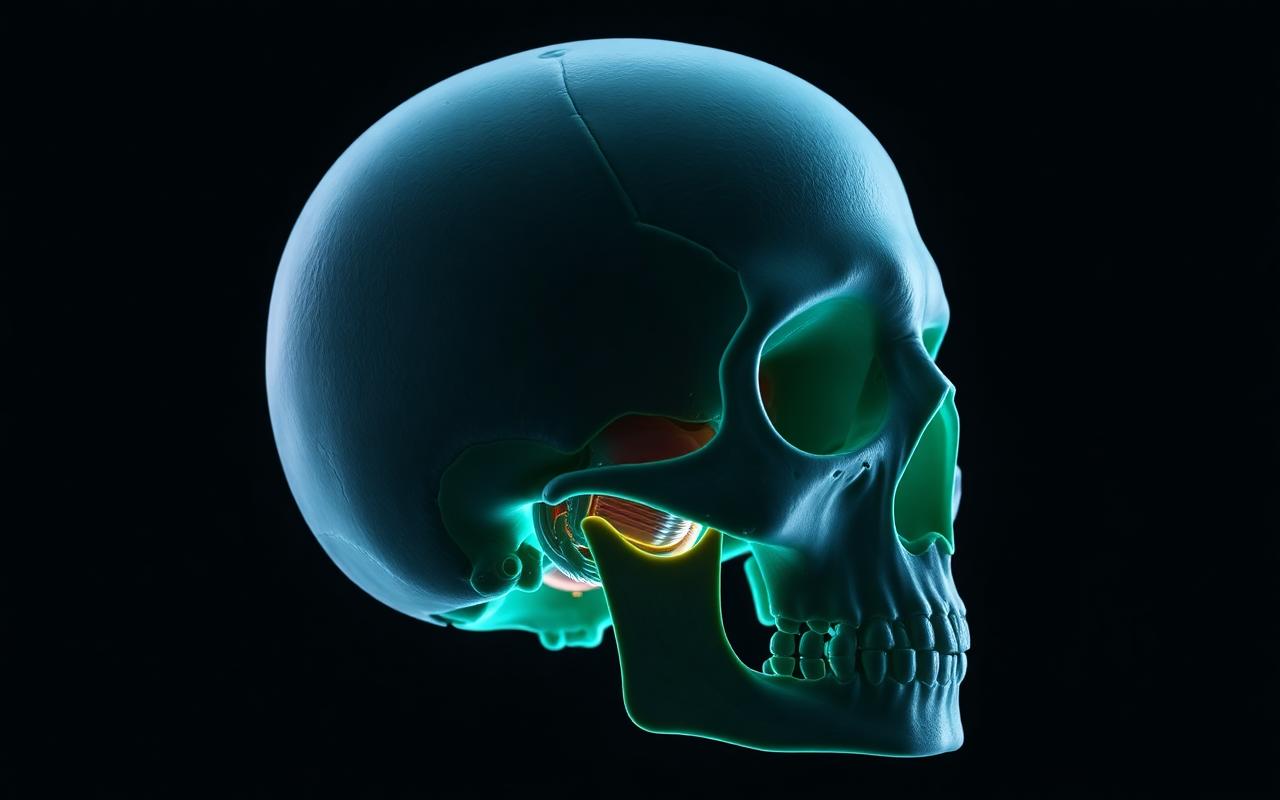
Overview
A craniectomy is performed when the brain is swelling and needs more room than the skull allows — most often after severe head injury, stroke or infection. The bone flap is stored and replaced later in a separate cranioplasty.
What it treats
- Refractory raised intracranial pressure
- Large ischaemic or haemorrhagic stroke
- Severe traumatic brain injury
- Selected cases of intracranial infection
How it is performed
Performed urgently under general anaesthesia. A large bone flap is removed and the dura opened to give the brain room to swell. A protective helmet is used until cranioplasty.
Recovery
Recovery is determined by the underlying condition more than the surgery itself. Rehabilitation usually starts in hospital and continues for weeks to months.
When to see a specialist
If you or your GP think this procedure may be relevant, request a consultation. Bring any imaging and a referral letter if you have one.
Request an appointment